Voice AI is exciting.
But many agency owners make the mistake of trying to use it everywhere.
That’s a recipe for frustration.
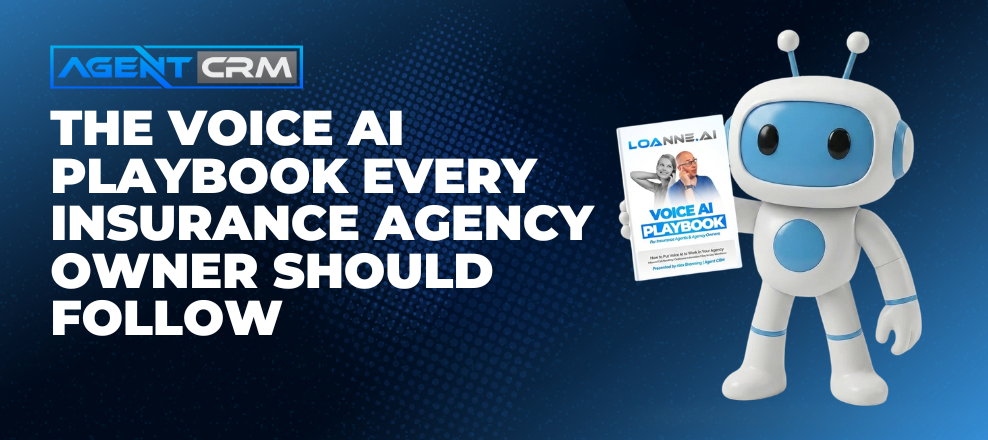
In this episode, Alex Branning outlines a practical Voice AI playbook agencies can implement today—starting with the highest-impact use cases and avoiding the ones that create risk or disappointment.
The goal isn’t to “use AI everywhere.”
The goal is to use AI where it creates leverage without damaging trust, compliance, or customer experience.
Step 1: Start With Inbound Calls ✅
This is the easiest win.
Every missed inbound call represents potential lost revenue.
Missed calls aren’t just “inconvenient.”
They’re:
- referrals that never call back
- quote-ready prospects who move on
- existing clients who get frustrated
- leads responding to campaigns while intent is high
Start by allowing Voice AI to:
- answer calls instantly
- identify intent (quote request, service, claim question, etc.)
- schedule appointments
- gather basic information
- create a contact record (or update an existing one)
This alone can transform responsiveness—because you go from “missed calls” to “captured opportunities.”
Step 2: Use Voice AI for Appointment Preparation 📝
Before appointments, let the AI gather additional information.
This creates better-prepared conversations and shorter sales cycles.
Instead of spending your first 15 minutes on a call collecting basics, the agent can show up ready to sell.
That means more time on:
- understanding needs
- presenting the right options
- handling objections
- closing the sale
The prospect also benefits because the experience feels professional:
“Wow, they already know what I need. This is organized.”
That’s trust-building.
Step 3: Reach Out to Warm Contacts 🔁
Voice AI works best when the contact already knows your agency.
This includes:
- existing customers
- prospects already in your database
- follow-up campaigns
- policy review outreach
- renewal or coverage check-in sequences
Warm outreach works because:
- trust already exists
- resistance is lower
- the conversation is easier
- your conversion rate is naturally higher
If you want Voice AI to produce results quickly, warm lists are the fastest path.
Step 4: Avoid Cold Calling 🚫
This is one area Alex strongly warns against.
Using Voice AI for cold calling creates:
- compliance risk
- frustrated consumers
- poor conversion
- reputation damage
Cold calling with AI is tempting because it “scales.”
But scaling a bad tactic just creates a bigger problem.
Instead, keep your Voice AI focused on people who already have a relationship with your agency—or who opted in and expect a callback.
That’s where it wins.
Step 5: Automate Customer Check-Ins 🤝
Use Voice AI to stay connected after key moments.
For example, after:
- claims activity
- policy changes
- major life events
- service requests
A short follow-up call can dramatically improve satisfaction.
It reinforces:
- “They care.”
- “They’re responsive.”
- “They’re paying attention.”
That kind of experience increases retention and referrals—because people remember how you made them feel.
Final Takeaway 🔥
Voice AI isn’t about replacing insurance agents.
It’s about eliminating repetitive tasks so agents can focus on the work that matters most.
Start small:
- answer missed calls
- automate follow-up
- gather information
- support warm outreach
- improve the customer experience
Then expand strategically.
That’s the playbook that will help agencies win with Voice AI over the next several years.
✅ Build Systems That Reduce Chaos and Protect Your Time
👉 Start a free trial of Agent CRM
📅 Book a consult with our team
🎙️ Listen to Agency Acceleration